
Camacha Kick-off!
“Football is huge in Portugal. Think of “Os Três Grandes” (The Big Three): Benfica, Sporting Lisbon and FC Porto - not to mention the global goal-scoring phenom, Madeira-born Cristiano Renaldo.”
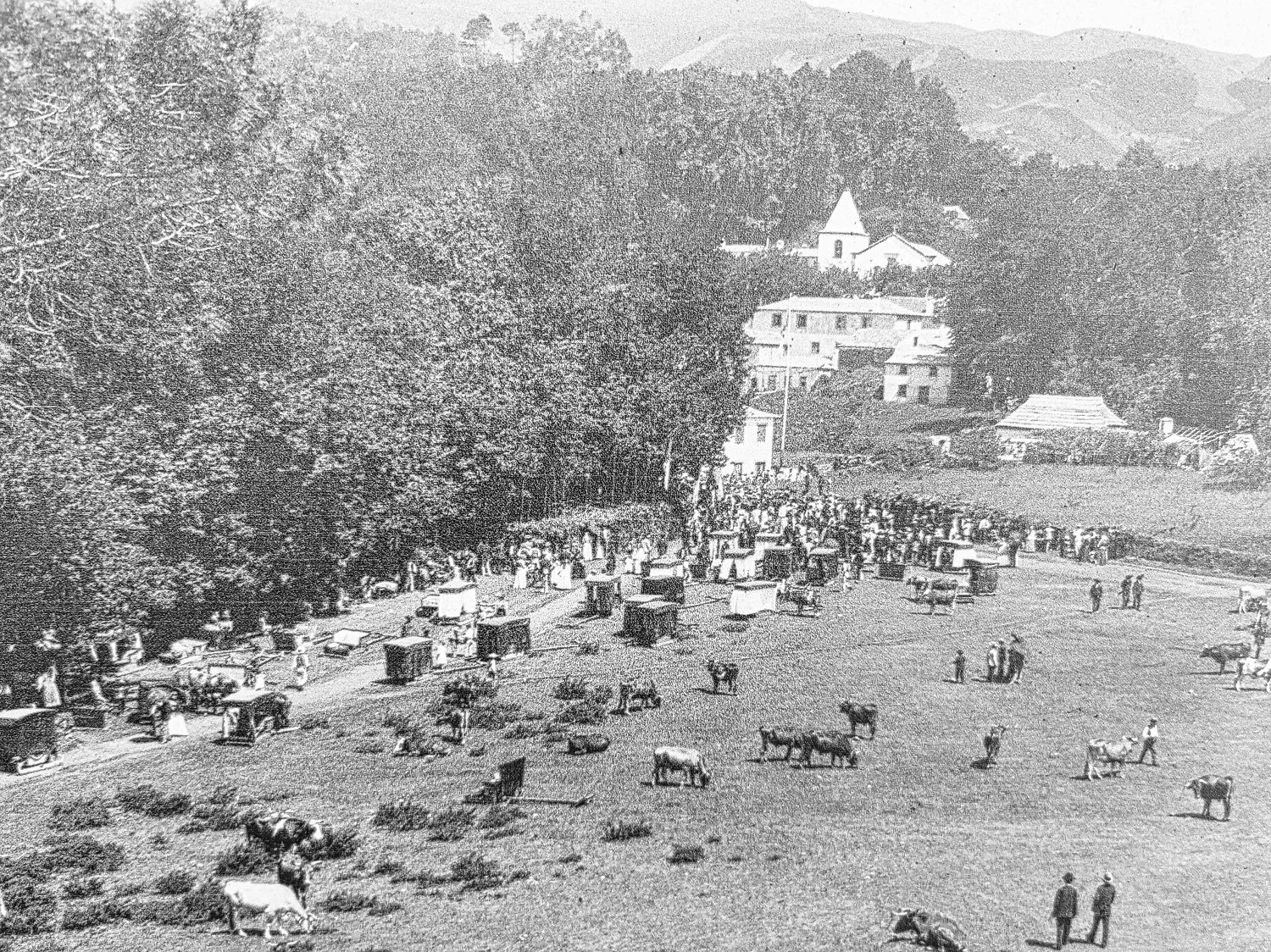
The Village Green in Camacha, where the first football games took place.
“I was therefore interested to learn that the very first game of football played in Portugal was here in Madeira. ”
In the 1800s, the upland village of Camacha was a summer retreat for wealthy British families making fortunes in wine, wicker, sugar and rum. At 600 metres, the area offered a climate more akin to England in the midst of a balmy British summer. Here, along with the nearby village of Santo da Serra, they established their country estates, known as ‘Quintas’.
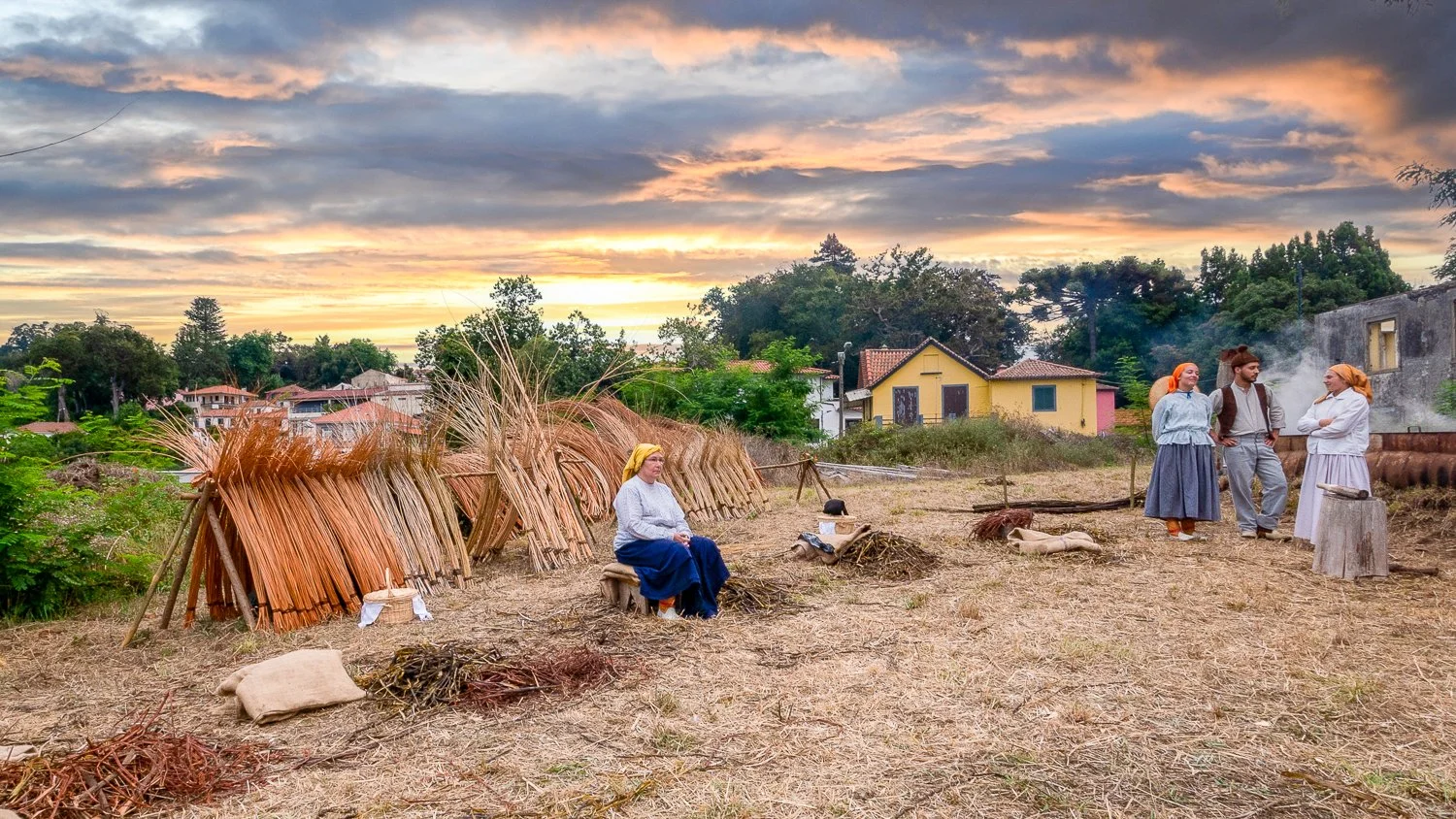
Wicker was one of Camacha’s main industries…
In 1838, Englishman William Hinton arrived on the island looking find his fortune on one of the island’s booming industries and took to the rum trade, opening a small distillery in Funchal.
THE BEAUTIFUL GAME
The Hinton’s prospered, and William’s son, Harry, was sent off to England to be educated. He returned to the island, aged 18, bringing with him a leather football along with a passion for the ‘beautiful game’.

The remaining tribute to Camacha’s football legacy.
Needing opponents, Harry enlisted local lads and the first game of football in Portugal ‘kicked off’ on the village green, here in Camacha. There’s a plaque to commemorate the event, but the local council appears to have concreted over the entire green, including the football area.
Apparently, local lads continued to use English terms for football like ‘shy’, ‘offside’ or ‘dribble’ well into the 1970s before the equivalent Portuguese terms took preference.
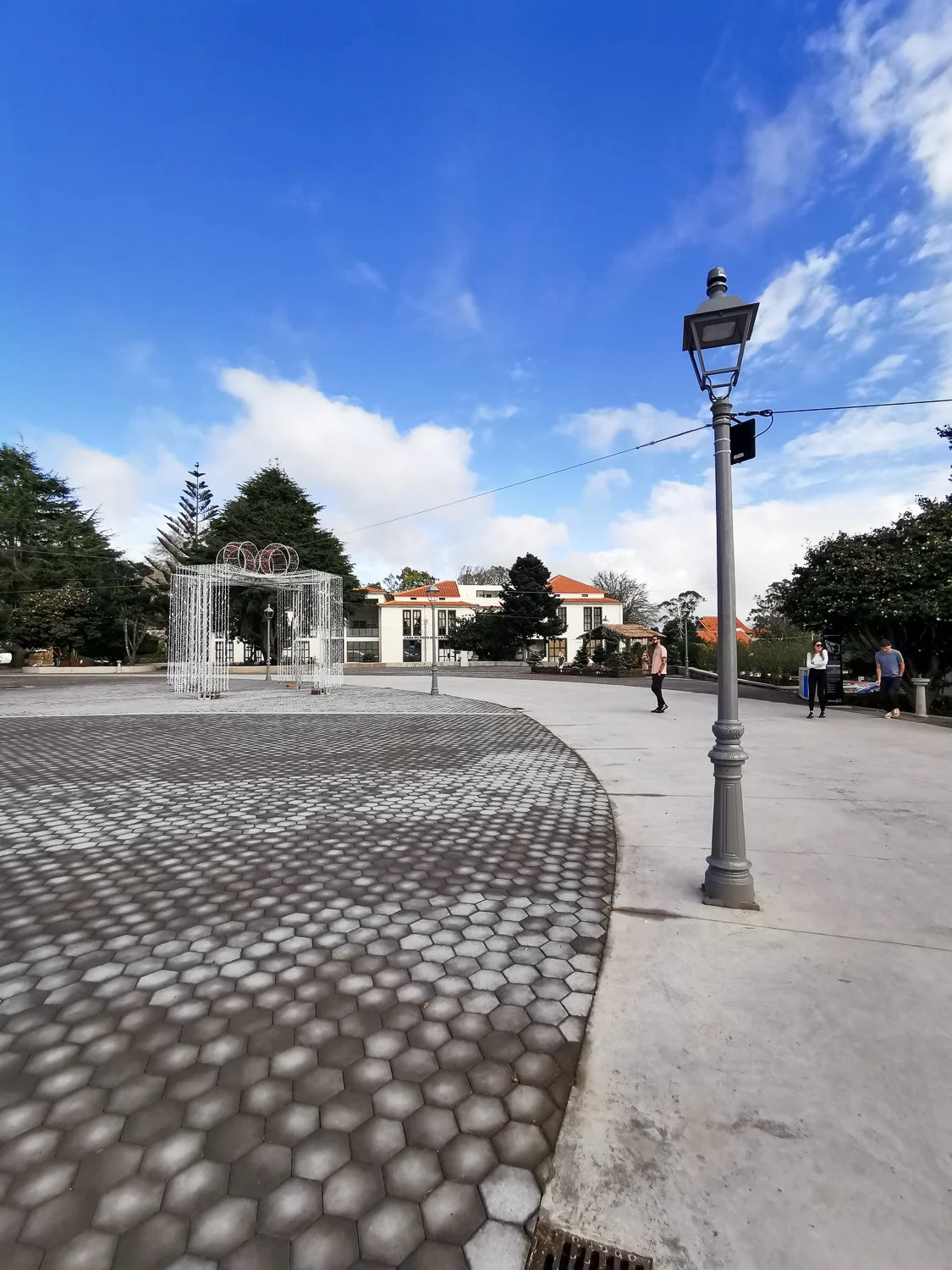
The local council, in their wisdom, chose to concrete over the village green.
RUM DO
As far as young Harry’s fate, he went on to run and reform his father’s business, devising a revolutionary new process for extracting the juice from sugar cane. He maintained a keen interest in the game he had introduced to the Portuguese people and eventually became the honorary president of C.S. Marítimo, a team founded in Funchal in 1910.
Many football teams were established throughout Portugal during this period, usually with an English influence from the port or wine merchants living in the area, as well as Portuguese students returning from the UK.
CHILD PRODIGY
“In more recent times, a local Madeira club, ‘Clube Marítimo’, had the chance to sign a child prodigy... but passed him up! ”
Cristiano Ronaldo’s father was the kit man at ‘Clube Andorinha,’ and they signed the boy wonder instead. Following a brief spell with the other local team, ‘Nacional da Madeira’, at the ripe old age of 12, Ronaldo was shipped off to the mainland to play for Sporting Lisbon. The rest is sporting history!
And it all ‘passes back’ to the delightful little village of Camacha!